
How Dopamine Drives New Year’s Resolutions: A Journey of Hope, Motivation, and Lasting Change
All around the globe, people welcome the New Year with celebrations filled with cultural and personal rituals. Yet, at the heart of these festivities is a universal human phenomenon: hope.

Harnessing the Dopamine Effect
All around the globe, people welcome the New Year with celebrations filled with cultural and personal rituals. Yet, at the heart of these festivities lies a universal human phenomenon: hope. The turning of the calendar inspires us to reflect on the past year with gratitude and envision the coming year with boundless optimism. This magical energy, which feels as though the simple act of setting intentions might transform our lives, has a scientific foundation: dopamine.
Often referred to as the motivation molecule or the feel-good neurotransmitter, dopamine plays a central role in how we perceive rewards, set goals, and drive ourselves forward. On New Year’s Eve, surrounded by the excitement of the moment, I felt an unmistakable dopamine surge. The promises of the new year seemed as vibrant and electrifying as the fireworks in the sky. This euphoric optimism felt like the fuel I needed to declare 2025 my year of transformation.
But here’s the thing about dopamine: it’s both a gift and a challenge. While it gives us the drive to dream big and start fresh, it doesn’t sustain us through the hard work of turning hope into reality. Dopamine spikes during moments of anticipation—like imagining the success of a resolution—but it can drop when faced with the effort required to achieve it. This is why so many New Year’s resolutions falter by mid-January: the initial surge of motivation fades, leaving us unprepared for the grind of consistent action.
By January 1, I felt the haze of the morning after. My resolution—a triumphant “Comeback Tour” inspired by Taylor Swift’s Eras Tour—suddenly seemed vague and intangible. The dopamine high of New Year’s Eve had been replaced by a quieter, more daunting question: “What now?” Without a clear plan, my resolution risked becoming another fleeting hope.
My “Comeback Tour”: Crafting a Dopamine-Sustaining Plan
Determined not to let my resolution fade, I realized I needed to harness the energy of dopamine in a more sustainable way. Rather than relying solely on the initial high, I set out to create a system of small, actionable steps that would provide consistent, achievable rewards. Dopamine isn’t just triggered by big victories; it’s also released when we experience small wins—like checking something off a to-do list or completing a short workout.
Here’s the roadmap I created to maximize those little dopamine hits along the way:
Start the day with a dopamine boost through meditation: Just six minutes of meditation each morning helps me feel calm, focused, and ready to tackle the day. That immediate sense of clarity provides a natural dopamine release to set the tone.
Reframe physical therapy as a reward, not a chore: Scheduling sessions first thing in the morning minimizes cancellations and gives me a sense of accomplishment before the day even begins.
Make exercise enjoyable: I paired my least favorite activity—15 minutes on the recumbent bike—with an upbeat playlist that energizes me. The combination of music and movement creates a positive feedback loop, releasing dopamine and making the experience more enjoyable.
Celebrate consistency, not perfection: Every time I complete a daily goal, I take a moment to acknowledge it. Whether it’s a simple checkmark on a list or a mental “well done,” these small celebrations keep my brain engaged and motivated.

Meditation, Movement, and Motivation: Key Daily Habits
What I’ve learned is that dopamine isn’t just about feeling good—it’s about staying engaged. It’s the brain’s way of encouraging us to keep going, to reach for the next milestone. To harness its power effectively, we need to structure our efforts in ways that generate frequent, achievable rewards. This means breaking down big goals into manageable steps and finding joy in the process rather than just the outcome.
Celebrating Small Wins to Fuel Long-Term Progress
The journey of my “Comeback Tour” is, in many ways, a study in dopamine. It’s about leveraging the brain’s natural motivation system to stay committed, even when the initial excitement wears off. It’s about recognizing that progress is rarely linear and that small, consistent actions are more powerful than bursts of unsustainable energy.
As I move forward, I’m learning to embrace the ebbs and flows of motivation with compassion. On days when the dopamine feels low, I remind myself that showing up is the most important part of the process. And on days when the energy surges, I use it to push myself a little further, knowing that every step—big or small—brings me closer to my goal.
Redefining Success through Resilience and Joy
In this way, my “Comeback Tour” isn’t just about physical healing; it’s about retraining my mind and body to find joy in the journey. It’s about creating habits that fuel resilience, optimism, and growth. And it’s about celebrating every victory, no matter how small, as proof that I’m moving forward in body, mind, and spirit.
With this understanding, I’m ready to take the stage—not in a blaze of overambitious glory, but with steady, intentional steps that lead to lasting change.
Happy New Year to you, 2025!
If you’re ready to transform your goals into action, connect with our team today to get the support you need for lasting change. Click here to reach out and start your journey with us.

Balancing Your Brain’s Happy Chemicals: Simple Lifestyle Tweaks for a Better Mood
We all crave happiness, but did you know that your brain’s chemistry plays a big role in how you feel? Your neurotransmitters—like serotonin, dopamine, and oxytocin—are key players in managing your mood, motivation, and overall sense of well-being.

We all crave happiness, but did you know that your brain’s chemistry plays a big role in how you feel? Your neurotransmitters—like serotonin, dopamine, and oxytocin—are key players in managing your mood, motivation, and overall sense of well-being. While it’s tempting to look for quick fixes, the most sustainable way to maintain happiness lies in nurturing your brain’s natural balance.
Let’s explore some lifestyle changes that can naturally boost these feel-good chemicals.
EAT WITH YOUR BRAIN IN MIND
What you eat isn’t just fuel for your body—it’s nourishment for your brain. Foods rich in amino acids, vitamins, and minerals can naturally enhance the production of neurotransmitters. Think of turkey, bananas, and eggs as your serotonin boosters, while almonds and avocados amp up your dopamine. The trick is to enjoy a variety of whole, nutrient-rich foods that give your brain what it needs to thrive. And don’t forget to stay hydrated—water is just as essential for mental clarity as it is for physical health.
MOVE TO ELEVATE YOUR MOOD
Exercise isn’t just about physical fitness; it’s one of the best ways to keep your brain happy. When you move your body, you trigger the release of endorphins—your natural “happy pills.” But that’s not all; exercise also boosts serotonin and dopamine, helping to reduce anxiety and lift your spirits. Whether it’s a morning jog, a dance session in your living room, or a calming yoga flow, find what makes you feel good and stick with it. Your brain—and your mood—will thank you.
SLEEP: YOUR BRAIN’S RESET BUTTON
Sleep isn’t just a break from the day; it’s a crucial time for your brain to reset and recharge. When you don’t get enough quality sleep, your neurotransmitters, especially serotonin, can get out of whack, leading to irritability, anxiety, and even depression. Establishing a soothing bedtime routine, sticking to a regular sleep schedule, and creating a restful sleep environment can make all the difference in how you feel during the day.
EMBRACE MINDFULNESS
Mindfulness isn’t just a buzzword; it’s a powerful tool for keeping your brain’s chemistry in balance. Practices like meditation can actually increase your levels of serotonin and endorphins, helping you stay calm and centered. Whether it’s through deep breathing exercises, mindful walks, or simply taking a moment to pause and breathe, integrating mindfulness into your daily routine can have lasting benefits for your mood and mental clarity.
CONNECT WITH OTHERS
We’re wired for connection, and positive social interactions are essential for a happy brain. Spending time with loved ones, engaging in meaningful conversations, and being part of a community can boost your oxytocin levels—often called the “love hormone.” This not only strengthens your relationships but also enhances your overall sense of well-being. So, make time for those who matter most, and watch how your mood improves.
MANAGE STRESS TO PROTECT YOUR HAPPINESS
Stress is a major mood-killer, and it can deplete your serotonin and dopamine levels if left unchecked. That’s why it’s crucial to find effective ways to manage stress in your life. This might mean setting aside time for relaxation, practicing deep breathing exercises, or indulging in hobbies that bring you joy. Whatever it takes, reducing stress is key to maintaining a balanced and happy brain.
SOAK UP THE SUN FOR A SERATONIN BOOST
Natural sunlight is like a daily dose of happiness for your brain. It helps regulate your circadian rhythm, which in turn affects your serotonin production and sleep quality. Try to spend at least 15-30 minutes outside each day, especially in the morning, to soak up those rays. If you live in a place where sunlight is scarce during certain seasons, consider using a light therapy box to keep your mood steady.
CULTIVATING HAPPINESS FROM WITHIN
Balancing your brain’s neurotransmitters naturally is all about making small, consistent changes that add up over time. By focusing on nourishing your body, moving regularly, getting enough sleep, practicing mindfulness, connecting with others, managing stress, and embracing the sunshine, you can create a happier, more balanced life. Remember, it’s the little things you do every day that make the biggest difference in how you feel.

Navigating and Understanding Emotions
Awash in the depths of sadness, I found myself desperately longing for a way to make it all disappear. Initially, I attempted to outsmart my emotions, employing the skills of a seasoned thinker and intellect. I believed that if I could just outthink my distress, I would be able to overcome it. However, this approach turned out to be a rookie mistake, even for someone with my experience as a marriage and family therapist. It served as a profound reminder of an important truth.

Embracing Emotional Realities
Awash in the depths of sadness, I found myself desperately longing for a way to make it all disappear. Initially, I attempted to outsmart my emotions, employing the skills of a seasoned thinker and intellect. I believed that if I could just outthink my distress, I would be able to overcome it. However, this approach turned out to be a rookie mistake, even for someone with my experience as a marriage and family therapist. It served as a profound reminder of an important truth.
Emotions, both positive and distressing, are an integral part of the rich and textured journey we call life. While we readily embrace the positive emotions, it is often the painful ones, like sadness, that can pose challenges along the way.
The Transience of Emotions
Interestingly, emotions themselves only last for a brief period, typically ranging from 30 to 90 seconds. If an emotion persists beyond this timeframe, it is usually an indication that additional thoughts are perpetuating it.
To understand this phenomenon, we must delve into the workings of the brain and its interaction with the nervous system. Broadly speaking, this system engages in five key processes: sensation, perception, feelings and emotions, thoughts, and actions and behavior.
Sensation refers to our accumulated experiences, filtered through our sensory system. Perception involves how we make sense of these sensations. Feelings and emotions arise from the neurochemical activity associated with our perception of sensations, giving rise to emotions such as happiness, sadness, or anxiety. Thoughts represent our directed belief system or narrative, drawing upon the past, present, and future. Lastly, actions and behaviors encompass the translation of sensations, perceptions, emotions, and thoughts into tangible actions.
Breaking the Cycle: The Power of Deliberate Behavior
In my attempt to outthink my sadness, I inadvertently became trapped in a paralyzing cycle. By solely focusing on outwitting my emotions with my intellect, I became engulfed and unable to move forward. My attention to the distressing emotion only served to amplify its power, inadvertently giving it more space, time, and energy. It became clear that our attention plays a significant role in where our energy flows.
As a writer, I turned to pen and paper as a means to interrupt this freefall. By converting my sensations, perceptions, emotions, and thoughts into journaling, I engaged in deliberate behavior that disrupted the cycle. Instead of mindlessly participating in a self-perpetuating thought loop, I sent a signal to my brain and nervous system that something different was happening. I embraced a constructive and positive behavior—writing—which brought me joy. A new sensation emerged, and I began to filter my experiences in a new way. The concentrated spotlight of my attention shifted towards productivity. This activated different neurochemicals associated with motivation, reward, and joy, such as dopamine. A new, more hopeful narrative took center stage in my mind, directing a positive thought process through deliberate, rewarding, and changed behavior.

Research has shown that behavior is a powerful tool for changing our thoughts. Instead of attempting to outthink our thoughts rooted in emotion, investing in behaviors that feel productive or soothing can be much more effective. This could include activities like writing, painting, meditating, calling a friend, or exercising—whatever aligns with our individual personalities. By engaging in these behaviors, we unleash new sensations with a more favorable filter, adopt a more positive narrative or perspective, and catalyze more positive emotions and productive thoughts that can lead to a continued cycle of rewarding behavior. And so, the journey unfolds, with new moments of inspiration and effectiveness.
When Overwhelm Strikes: Leveraging DBT’s TIPP Technique
It is important to acknowledge that there are thought loops that can be so distressing that engaging in behavior to change our thoughts feels overwhelming. The emotional experience becomes so overwhelming that it engulfs us completely, leaving us feeling helpless. In such cases, Dialectical Behavioral Therapy (DBT) offers useful skills to support us through these intense emotional experiences. One such skill is the TIPP Technique, which focuses on calming the nervous system in tandem with the brain through a feedback loop. TIPP stands for the following distress tolerance skills:
T - Temperature: When the nervous system is overwhelmed and agitation ensues, it often leads to an increased heartbeat. By applying cold temperatures to specific areas of the body, such as below the eyelid or pressure points like the backside of the wrist, we can decrease the heart rate and send a calming message to the nervous system.
I - Intense Exercise: Engaging in intense exercise is another way to release pent-up energy caused by overwhelming emotions. By expending this energy constructively, we can decrease nervous system agitation and signal to the brain that a recalibrated balance is in motion, thereby reducing overwhelming emotions.
P - Paced Breathing: While the suggestion to "just take a deep breath" may initially feel dismissive, there is scientific basis behind it. Deep breathing can reduce the physical manifestations of overwhelming emotions, such as increased heart rate and an agitated nervous system. Taking a deep breath, followed by another deep breath and exhaling slowly, signals to the brain that things are slowing down, replacing rapid and shallow breaths associated with overwhelming emotions.
P - Progressive Relaxation: Introduced by physician Edmund Jacobson in 1938, progressive relaxation is an effective technique for reducing anxiety. By alternately tensing and relaxing different muscle groups in the body, we address the physical symptoms of anxiety. This relaxation signals to the feedback system that the mind and body are entering a state of calm, creating a muscle-to-mind technique for relaxation.

Navigating the Emotional Landscape
In summary, navigating and understanding our emotions is a crucial aspect of our personal growth and well-being. By acknowledging that emotions are transient experiences and recognizing the interplay between sensations, perceptions, emotions, thoughts, and behaviors, we can choose intentional actions to shift our emotional landscape. Engaging in constructive behaviors that align with our values and personalities can lead to the transformation of thoughts and emotions, facilitating a positive cycle of change. Additionally, when emotions become overwhelming, techniques like the TIPP Technique from DBT offer practical strategies to regain control and find a sense of calm. Remember, the journey is ongoing, and with mindful awareness and deliberate action, we can navigate the complexities of our emotional lives and cultivate a sense of inner peace and resilience.

Breaking Free: Understanding the Effects of Codependency and How to Overcome It
Are you feeling trapped in a cycle of unhealthy relationships? Do you constantly put the needs of others before your own? If so, you may be experiencing codependency. In this article, we will delve into the detrimental effects of codependency and provide practical strategies to break free from its grip.
Are you feeling trapped in a cycle of unhealthy relationships? Do you constantly put the needs of others before your own? If so, you may be experiencing codependency. In this article, we will delve into the detrimental effects of codependency and provide practical strategies to break free from its grip.
Codependency is a complex issue that often goes unnoticed. It occurs when one person becomes overly reliant on another to fulfill their emotional and physical needs. This imbalance can lead to a host of problems, including low self-esteem, dependency, and the inability to establish healthy boundaries.
By understanding the underlying causes of codependency, we can begin to unravel its effects. Unresolved childhood trauma, a fear of abandonment, and societal expectations can all contribute to codependent tendencies. Recognizing these root causes is the first step towards regaining control of your own life.
In this article, we will explore various techniques to overcome codependency. From setting boundaries and practicing self-care to seeking therapy and support, we will provide actionable steps to reclaim your sense of self and cultivate healthier relationships.
What is codependency?
Codependency is a complex issue that often goes unnoticed. It occurs when one person becomes overly reliant on another to fulfill their emotional and physical needs. This imbalance can lead to a host of problems, including low self-esteem, dependency, and the inability to establish healthy boundaries.
Codependency can manifest in various ways, such as constantly seeking approval from others, feeling responsible for the emotions and actions of others, and neglecting one's own needs to accommodate others. It often stems from unresolved childhood trauma, a fear of abandonment, and societal expectations.
Signs and symptoms of codependency
Recognizing the signs and symptoms of codependency is crucial in understanding its impact on your life. Some common indicators include:
1. Difficulty saying no: Codependent individuals often find it challenging to set boundaries and prioritize their own needs. They may feel guilty or anxious when they do not meet the expectations of others.
2. Low self-esteem: Codependency often stems from a lack of self-worth. Individuals may seek validation and approval from others to feel validated and worthy.
3. People-pleasing behavior: Codependent individuals have a strong desire to please others, often at the expense of their own well-being. They may go to great lengths to avoid conflict and prioritize the needs of others above their own.
4. Enabling behavior: Codependent individuals may enable unhealthy behaviors in others, such as addiction or destructive patterns, in an attempt to maintain the relationship and avoid abandonment.
5. Difficulty expressing emotions: Codependency can make it challenging to express emotions openly and honestly. Individuals may fear rejection or disapproval if they reveal their true feelings.
Understanding the effects of codependency on relationships
Codependency can have a profound impact on relationships, both romantic and otherwise. It often creates an unhealthy dynamic where one person becomes the caretaker or rescuer, while the other person becomes dependent and reliant on the codependent individual. This can lead to a variety of issues, including:
1. Lack of balance: Codependent relationships are characterized by an imbalance of power and responsibility. One person takes on the role of the caregiver, while the other person becomes dependent and reliant on their partner for their emotional and physical needs.
2. Resentment and frustration: Codependency can breed resentment and frustration in relationships. The codependent individual may feel overwhelmed by the constant demands and responsibilities placed upon them, while the dependent individual may feel suffocated or controlled.
3. Inability to establish healthy boundaries: Codependent relationships often lack healthy boundaries. The codependent individual may struggle to assert their own needs and desires, while the dependent individual may struggle to take responsibility for their own well-being.
4. Stunted personal growth: Codependency can hinder personal growth and development. The codependent individual may become so focused on meeting the needs of others that they neglect their own personal goals and aspirations.
Codependency and mental health
Codependency is closely linked to mental health issues such as anxiety, depression, and low self-esteem. The constant need for validation and approval from others can take a toll on one's mental well-being. Additionally, the lack of healthy boundaries and the pressure to meet the needs of others can lead to feelings of overwhelm and burnout.
It is important to recognize that codependency is not a character flaw, but rather a learned behavior that can be unlearned with the right strategies and support. Seeking professional help and implementing self-care practices can greatly improve mental health and overall well-being.
Breaking free from codependency: Steps to recovery
Recovering from codependency is a journey that requires self-reflection, self-compassion, and a commitment to change. Here are some steps to help you break free from codependency:
1. Recognize and acknowledge the codependent patterns in your life: The first step in overcoming codependency is to acknowledge its presence in your life. Take time to reflect on your relationships and identify any codependent behaviors or patterns.
2. Seek therapy or counseling: Working with a therapist experienced in codependency can provide invaluable guidance and support. Therapy can help you uncover the root causes of your codependency, develop healthy coping mechanisms, and establish boundaries.
3. Join a support group: Connecting with others who have experienced or are going through codependency can be immensely helpful. Support groups provide a safe space to share experiences, gain insights, and learn from others who are on a similar journey.
4. Practice self-care: Prioritizing self-care is crucial in overcoming codependency. Engage in activities that bring you joy and fulfillment, set aside time for relaxation and self-reflection, and cultivate a strong support network of friends and loved ones.
5. Challenge negative thought patterns: Codependency often stems from negative self-beliefs and thought patterns. Practice self-compassion and challenge these negative thoughts with positive affirmations and self-empowering beliefs.
Therapy and support groups for codependency
Therapy and support groups can be instrumental in the recovery process for codependency. A qualified therapist can help you navigate the complexities of codependency, provide guidance, and offer tools and strategies for healing. Additionally, support groups, such as Codependents Anonymous (CoDA), offer a supportive community where individuals can share their experiences and learn from one another.
Self-care practices to overcome codependency
Self-care plays a crucial role in overcoming codependency. Here are some self-care practices to incorporate into your daily life:
1. Set aside time for yourself: Schedule regular time for activities that bring you joy and fulfillment. Whether it's reading a book, taking a walk in nature, or practicing yoga, prioritize activities that nourish your mind, body, and soul.
2. Practice self-compassion: Be gentle with yourself as you navigate the journey of recovery. Recognize that healing takes time and effort, and allow yourself to make mistakes along the way.
3. Establish healthy boundaries: Setting clear and assertive boundaries is essential in overcoming codependency. Communicate your needs and expectations to others and be firm in enforcing those boundaries.
4. Practice mindfulness: Incorporate mindfulness practices into your daily routine to cultivate self-awareness and reduce stress. Meditation, deep breathing exercises, and journaling can all help you develop a deeper understanding of yourself and your emotions.
5. Surround yourself with positive influences: Surround yourself with individuals who support your journey towards recovery. Distance yourself from toxic relationships or environments that perpetuate codependent patterns.
Setting boundaries in codependent relationships
Setting boundaries is crucial in breaking free from codependent relationships. Here are some tips for establishing healthy boundaries:
1. Identify your needs and values: Take time to reflect on your needs, values, and priorities. This clarity will help you establish boundaries that align with your own well-being.
2. Communicate assertively: Clearly communicate your boundaries to others in a calm and assertive manner. Use "I" statements to express how their actions or behaviors impact you.
3. Be consistent: Consistency is key when it comes to enforcing boundaries. Stick to your boundaries and do not compromise them for the sake of maintaining a relationship.
4. Practice self-care: Prioritize self-care as a way to reinforce your boundaries. When you take care of yourself, you demonstrate that your needs are important and worthy of attention.
Building healthy relationships after codependency
Once you have overcome codependency, it is important to focus on building healthy, balanced relationships. Here are some tips for cultivating healthy relationships:
1. Prioritize your own well-being: Remember to prioritize your own well-being and needs in any relationship. It is essential to maintain a sense of self and not lose yourself in the process of caring for others.
2. Choose healthy partners and friendships: Surround yourself with individuals who respect your boundaries, support your personal growth, and encourage your independence.
3. Practice effective communication: Open and honest communication is vital in any healthy relationship. Express your thoughts, feelings, and needs in a respectful and assertive manner, and encourage your partner or friend to do the same.
4. Continuously work on personal growth: Continue to invest in your personal growth and development, as this will contribute to healthier and more fulfilling relationships. Seek opportunities for self-improvement and self-discovery.
Conclusion
Codependency can have a significant impact on our lives and relationships, but it is possible to break free from its grip. By recognizing the signs and symptoms of codependency, understanding its effects on relationships and mental health, and implementing strategies such as therapy, support groups, and self-care practices, we can reclaim our independence, establish healthy boundaries, and cultivate meaningful connections. Don't let codependency hold you back from leading a fulfilling life. Take the first step towards breaking free and regaining your sense of self.

Untangling Emotional Knots
An “emotional knot” is something all have and most times we are unaware that we have them — a kind of blind spot that we never see. It’s like an invisible emotional wound that has energy attached to it which dictates a lot of our automatic behaviors. Little do we know that these emotional knots are tangled in the subcortical part of the brain as well as in the body

Emotional knots keep you stuck in a state of recurring pain that are often subconscious—blind spots that we are not consciously privy to. They are made up of emotional wounds, unresolved trauma, emptiness, painful relationships and unfinished cycles. They are like invisible scars that have painful energy attached to them, which often dictate a lot of our automatic behaviors. Many of these emotional knots are tangled up in the subcortical part of the brain, resonating energy through the brain stem and into our bodies.
I like to imagine that there are two filing cabinets in our brain. One has positive memories stored within them, and access to the contents (folders) are typically easy as they have positive energy attached to them. The other cabinet, however, contains folders with negative memories and are not always that easy to recall and locate. The folders in the latter cabinet tend to be disorganized, as they often hold powerful negative charges. These are usually connected to memories and sensations that are painful and stored in our bodies as well.
In order to gain access to, understand, and untangle the files in the cabinet with the negative memories, one must go inward by bringing up an activating event. A skilled clinician will guide a client through an internal experience of processing, which is a focused, powerful form of mindfulness. This allows an individual to untangle files through making internal connections. The cabinet is now able to be pulled to the forefront, and you can gain access to see what is inside and why it is so jumbled. Often, our experiences that are causing us pain or discomfort in the present day can be traced back to one of these files.
Brainspotting, also known as natural flow EMDR, is a therapeutic trauma modality that allows you to access these disorganized files and help you untangle them so that the negative energy attached to it can be released. It allows you to realize how the existential baggage you have been carrying around has been causing you pain.
In action, one of my clients came in complaining about severe anxiety and stress because her partner had been struggling with addiction for years. He had finally left to go get treatment and she was able to breathe for a second and get herself some help. She was so focused on surviving and came to me where fear had her in a headlock. Her emotional state was directly impacted by his emotional state. If he was doing well and in a good mood, so was she. But if he was struggling and angry, she would experience sheer terror. This presented itself as self-abandonment and codependency and she stated that she was just trying to survive in the midst of chaos. Her voice was diminished, she could not speak up for herself and frequently felt frozen. Her nervous system was locked in a constant state of flight, fight, freeze and fawn (people- pleasing and self-sacrifice). He went off to treatment and she was left not knowing who she was, still trapped in this state of fear. She even had a panic attack on the way to the session as she unexpectedly passed by his former office. This was the first time she could actually have some breathing room to acknowledge how much space he took up and how little room there was to care for herself.

Through a series of guided Brainspotting sessions utilizing bilateral music, she was guided to go inward to find the file(s) that had the same fear based charges she was currently experiencing. These were located through a Brainspot, raising her awareness to make deep connections to how she had shutdown into a dorsal and frozen state with no voice several times before in her life. This opened up a pathway to a series of internal connections (identified events) that created these emotional knots that were actually all interconnected. As we did the work, she began to recall earlier times in her life when she also felt this extreme fear which in turn brought more events to the surface. So I, as her therapist would hold space for these memories and help her move the energy. It was like a dance of connection and attunement between client and therapist, much more than a mechanical process. By doing this deep work and mindfully observing her inner process, she was able to reopen, recognize and integrate these memories from disorganized and embedded trauma to process through to a deeper resolution and awareness. This strategy helped to identify the emotional knots she had, in order to untangle and untie the knot so to speak. This strategy released the negative charges stored in her body and mind, and slowly she began to become more empowered, find her voice and become less affected by these emotional knots. As a result, they started to release and disentangle. She realized that these knots could not have untied themselves.
Most people are unaware of these emotional knots that are stored energy and memories deeply impacting our quality of life until we are crippled with anxiety or debilitating stress. Pain demands to be felt. Brainspotting is known to be highly effective for many people experiencing emotional trauma, PTSD, anxiety as well as a myriad of symptoms that result from trauma and fear. It highlights and create awareness around how the emotional debts you have with yourself impact your day-to-day choices and functioning. It is extremely helpful to move the needle of healing when traditional talk therapy doesn’t seem to get to the root of the issue or the heart of the matter. Doing this work with a highly skilled clinician trained in this modality facilitates the client to resource safety, giving their nervous system a chance to calm down, accessing parasympathetic activity. This is turn allows the negative emotional charges to decrease and these emotional knots to untangle. This process generates deep healing, as further insights and internal and external connections allow for more and more knots to surface and be released. It is so important to start to bring curiosity and compassion to your emotional distress as it is precisely this curiosity that leads to want to ask for help in unraveling these sometimes long-held emotional knots.

Attachment Styles - Why Opposites Attract
Being attracted to someone quite different than yourself does not necessarily lead to a dysfunctional relationship. Incompatible attachment styles, on the other hand, can lead to much distress.

Published on September 11, 2017. Updated on August 5, 2022.
The age-old adage ‘opposites attract’ is probably one of the most well-worn and timeless phrases of all time. And like most other time-honored sayings, it has remained so widely popular because… well, it’s true! For whatever reason, many of us find ourselves attracted to individuals who are seemingly polar opposites. If we are highly educated and career-oriented, we may find ourselves attracted to jobless college dropouts. If we are strictly religious and relatively modest, we may find ourselves attracted to a flashy atheist. It just seems to work out that way. In many instances, differences that seem problematic at first end up adding spice and diversity to your romantic relationship. You learn to compromise, and you become a more open-minded and well-rounded individual.
Of course, this is not always the case. In some instances, differences cannot so easily be overcome. It is often true that individuals who crave intimate closeness in romantic relationships are attracted to individuals who prefer distance and complete autonomy. When relationships like this develop, they are – more often than not – doomed to ultimate failure. This incompatibility involves more than a difference in favorite pastimes or belief systems – this difference lies at the very core of each individual, and directly relates to his or her attachment style. The science of attachment defines an individual who exhibits a strong preoccupation with his or her relationships as anxious. Those with anxious attachment styles deeply crave emotional intimacy. Those who wish to reduce intimacy in order to remain independent are defined as avoidant. Avoidant individuals are less aware of the needs of their partner, while anxious individuals are hyper-aware of any perceived threat to their relationship.
Interestingly enough, the attraction between these two intensely opposite individuals is often quite mutual. The anxious individual tends to idolize avoidant tendencies, viewing self-sufficiency and autonomy as attractive qualities – qualities they often wished they possessed themselves. The avoidant believes that he or she is more self-reliant and proficient than others, and the anxious individual only confirms this belief. The avoidant derives great personal pleasure from feeling stronger and more capable than his or her partner. When two such individuals develop a partnership, it almost instantaneously becomes an ongoing power struggle, full of emotional highs and lows. Even if the relationship does last, it will be very draining on both partners.
Once you become aware of your attachment behavior, you become willing to change and shape the way you function within your relationships. Of course, in order for a dysfunctional relationship to begin improving, both parties must heal separately. The majority of research suggest that patterns of attachment remain relatively consistent over time, but many psychological professionals and relationship therapists believe that negative attachment patterns can be interrupted with a lot of personal insight and hard work. Even for those who have an anxious-avoidant attachment style, secure attachments within relationships is possible. Individuals who take the time to reflect on their relationships and develop themselves have the best chance of harmony and functionality in their romantic partnerships.
Further Reading: To learn more about Avoidant Personality Disorder, Click Here.

Penthouse to Basement: The Emotions and Phases Behind Being a Parent of an Adolescent
I am a psychotherapist who specializes and loves working with adolescents and helping parents. Through training and my own personal experiences I am able to share how the phase from dependence to interdependence as a parent can be a bumpy journey, and let you know that you're not alone.

I am a psychotherapist who specializes and loves working with adolescents and helping parents. Through training and my own personal experiences I am able to share how the phase from dependence to interdependence as a parent can be a bumpy journey, and let you know that you're not alone. With humor and a twinge of sadness, I often compare my role as a teenage parent to a slow downward spiral from the penthouse to the basement. Slow being the operative word. It didn't happen overnight. An almost imperceptive descent that occurred over time as my son moved into pre-adolescence and eventually, adolescence. No longer his most significant person and no longer his preeminent love, he is successfully navigating through the 3 broad stages of parent/child development: 1) 0-12 years of age dependence, 2) 12- 24 years of age interdependence and 3) 24 years + launched and independent. These stages are so important to deeply understand and can be really helpful when you're in transition with your child.
Intellectually, I know the timeline. Emotionally, I know I want the timeline to standstill. Age 0 to approximately 12 years was like a dream. I was the smartest, nicest and coolest Mom. We had a blast. He appreciated my company and looked at me in awe because I seemed to know so much. This is also a very normal part of human development, as mothers or parents we are the center of their world!
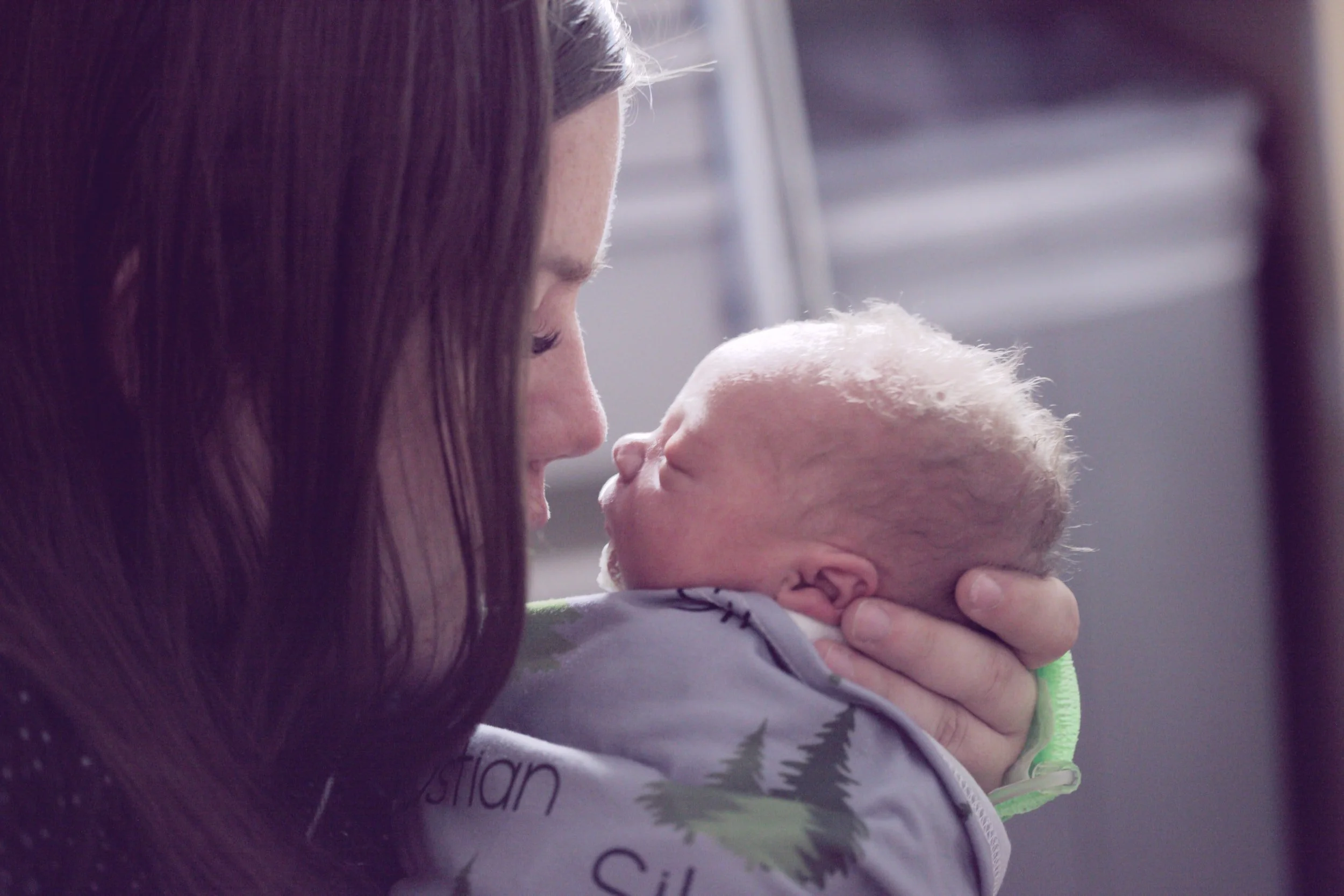
As pre-adolescence began to set in, the tide began to turn. I didn't feel so lovable, fun and smart. He was growing up and naturally doing a healthy dance into interdependence, approximately 12-24 years, where his social world shares my center stage - sometimes it takes over the entire stage. Moreover, his cognitive development is moving in new directions, stretching and growing at a swift pace. He has bigger and brighter thoughts accompanied by a healthy sense of autonomy and empowerment. He is finding his own voice, sense of purpose and deeper social connection. He is breaking away. My adoring son is turning into a man.
This new stage, replete with everpresent eye rolls, push back and comments such as, I don't know what I am talking about, sometimes feels devoid of love and affection in my emotional basement. And, while I miss the emotional penthouse that I inhabited during the stage of dependence, I know he is doing his job as it was biologically and socio-emotionally intended. Specifically, our job as parents is not to keep the developmental stage of dependence everlasting. Our job as parents is to make the most of 0-12 creating an emotionally safe place where our children feel seen, soothed and secure under the auspices of unconditional love, validation, boundaries and repair, when rupture occurs, imparting important and effective blueprints, teeming with coping skills, that support a successful launch into subsequent developmental stages.
It follows that I half smile after a predictable eye roll knowing that all as it should be in our relationship. It is no longer all about us. It is about him and the journey ahead of him that I feel privileged to be a part of, and continue to be a part of, albeit in an increasingly supportive role. Importantly, my time in the penthouse rooted him and is the buttress that supports his development into his own, as he, steadily and healthfully, ascends into an independent role as a young man implementing the lessons learned and, unknowingly, leaning on the strength of our relationship developed during the stage of dependence.

I must admit I sometimes, secretly, lay in wait for the successful launch and stage of independence where he is no longer trying to break away. But, for now, the view from the basement never looked so good. In fact as I have learned he is just finding himself in the world and part of the exchanges between him finding himself and my experience is learning to let go on both sides and always knowing I am there for him. This is interdependence at its best and how we build a secure attachment for them when our children are moving towards more independence. It must feel safe for them to spread their wings and we are also there if they need us.
If you are currently raising a child who is morphing into their adolescent years it can be so important to know the developmental stages and what can come up for you as your child learns to have a voice. Or they start to respond differently to you, sometimes learning the phases and seeking support is helpful, you are not alone in this process AND it is totally normal. In order for our children to understand healthy interdependent relationships this transition happens. It can be hard, bumpy and confusing at times but necessary to form separateness that is also safely connected — to redefine boundaries and to learn rupture and repair when moments become harder.
I have learned so much from being a mother and working in my practice with adolescents and their parents that makes me want to share the message that these stages and transitions can feel confusing, perhaps hard at times, but they are so healthy and part of the evolution that allows for continuous expansion and growth.

3 Ways You May Not Be Trusting Your Partner
Trust in a relationship is allowing yourself to feel vulnerable around your partner. And even though being vulnerable can sometimes mean opening ourselves up to attack, licensed therapist Gwendolyn Nelson-Terry says that "it is necessary [in a relationship] in order to build intimacy with your partner." When you express your trust for your partner, you show them that you believe in their integrity. And in turn, when you are confident that your partner will do right by you, you feel safe around them.

Trust in a relationship is allowing yourself to feel vulnerable around your partner. And even though being vulnerable can sometimes mean opening ourselves up to attack, licensed therapist Gwendolyn Nelson-Terry says that "it is necessary [in a relationship] in order to build intimacy with your partner." When you express your trust for your partner, you show them that you believe in their integrity. And in turn, when you are confident that your partner will do right by you, you feel safe around them.
Consequently, when you don’t trust your partner, you will feel anxious and on edge. When your partner senses that distrust, and feels that it is unwarranted, they may be hurt by your lack of faith in their character, driving a wedge between you.
If you feel that distrust is causing tension in your relationship, here are a few behaviors you should watch out for and what you can do to tackle them.
1. Your jealousy gets out of control
Jealousy is a normal part of any relationship. It’s often a sign that you care about your partner and don’t want to lose them. However, if you find yourself feeling jealous over small actions, then you might need to take a step back. For example, it is not healthy to feel jealous when your partner gets attention on social media, or when they speak to a person of their desired sex. Getting overly jealous might make your partner feel that you don’t trust their ability to be faithful to you. Sometimes, jealousy might even be a sign that you aren’t confident in your own character.
If you find that jealousy is an issue in your relationship, try to assess the root cause of your anxiety.
2. You don’t open up
It’s okay to be reticent about deeper thoughts and feelings while you’re still feeling out a relationship. However, if you’ve been with your partner for a while and you still choose not to confide in them, you keep yourself from forming an authentic bond with them. It also shows your partner that you are afraid of how they might react to your vulnerability. Though it may be difficult, opening up will help your partner better understand your needs, making your relationship stronger in the long run.

3. You don’t forgive small mistakes
When you’re angry, it’s often because you feel you’re not being treated the way you deserve. However, if you’re overly afraid of being hurt or rejected, your anger might become overprotective, causing you to pick fights over small mistakes or lash out before any real transgressions. If you find yourself overreacting over perceived bumps in your relationship, try to look deeper into the problem, and reflect on what it is that is really causing the anger.
Overcoming Trust Issues
Many trust issues are rooted in a fear of getting hurt. The source of this fear varies from person to person. Some people may develop trust issues due to past negative experiences with untrustworthy people, such as abusive parents or partners. Other people may develop trust issues due to low self-esteem, fearing that they aren’t loveable enough for fair treatment.
Developing an awareness of the source of fear can help individuals re-establish trust. If you have this awareness then the next step should be to see a professional. Therapists, mental health counselors, and psychologists will all have an educational background in psychology, and will be able to help you identify the root cause of your trust issues. They're well-trained in the psychology of interpersonal relationships and social science research, allowing them to take into account the many aspects of your life that are preventing you from trusting your partner. As a result, they can prescribe effective strategies for coping with these fears. They may also be able to help you find new ways to foster trust in relationships.
The solution to distrust is connection. Knowing our partners better will help build our confidence in them. If you want to understand your partner on a deeper level, you can consider relationship counseling. When you hone your ability to be communicative and empathetic, you can strengthen trust in your relationship.
Written by Reese Jones
Exclusively for Relationship Institute of Palm Beach

The Pendulum from the Pandemic and How to Channel New Energy
It seems like we have been so pent up with fear of the unknown and are all coming out of this surreal science fiction movie. Whatever was lurking below the surface came out in 2020 like the Loch Ness Monster, and months leading into 2021 from over a year of uncertainty has pushed us all in unexpected ways. Now that we live in a slightly "safer" world, the once bottled up energy feels incredibly expansive and we to address the unconscious "monsters" to aid in our personal growth moving forward.

It seems like we have been so pent up with fear of the unknown and are all coming out of this surreal science fiction movie. Whatever was lurking below the surface came out in 2020 like the Loch Ness Monster, and months leading into 2021 from over a year of uncertainty has pushed us all in unexpected ways. Now that we live in a slightly "safer" world, the once bottled up energy feels incredibly expansive and we to address the unconscious "monsters" to aid in our personal growth moving forward.
Being in lockdown has shown us many new ways of relating with ourselves and each other—some good, some bad but all real. 2020 was the flashlight into the darkness and with this expansive energy in 2021 it's time to learn about what came up so we can take healthy steps toward wholeness. The energy has shifted from fear of uncertainty, repressed emotions, and exhaustion towards an expansive space where we feel emboldened by our collective power. But we need to be intentional in not letting our new discoveries recede back down under the surface.
There has been a lot of impulsive spending, traveling, and a need to let loose due to the restrictions of not being allowed to do these things for over a year. So it seems normal right? Except, once the initial expansion fades, tuning into what was made conscious by the hardships of 2020 is so important as we focus our energy back into personal growth.
Here are three things you can do to refocus your energy:
Write down the lessons you learned in 2020
Look for pre-COVID repeating patterns or old habits that are creeping back
Find support to help you work through this new awareness
This doesn't necessarily mean going to see a therapist. It can be anything that aids in your new self-discovery like changing your job, moving to a new location, leaving a toxic relationship, or practicing gratitude for the healthy ones. Continue moving forward in this new world but be mindful of the changes you need to make in order to honor what you discovered lurking in the darkness of 2020. Be intentional in integrating your lessons into your new "normal."
For many of us, myself included, we took deeper dives into our inner worlds. I had to say goodbye to a loved one over FaceTime. I had to rethink things I thought were important. It all helped me address other work related goals too. For example, I always had a goal to reach more people virtually but never knew how I was going to do that. I had no idea I was so attached to my office space until 2020 arrived and I was forced to work from home. The idea was always something that I wanted to try but I needed to be pushed. I finally let go of having to be in my office 24/7 as I am sure you have also let go of some past-rooted beliefs.

I got back to my basics. I relearned that I enjoy bike riding, relaxing more inside my home and gardening. Truthfully, I knew I liked those things but with so many options in the world I didn’t spend enough time finding joy in the day to day. I started cooking more, and quality time with family became even more important. As we move back into what seems to be the new “normal” world it’s important to take the lessons, moments, and insights with us and not fall back into old patterns and habits from our fast-paced pre-COVID world.
The pandemic forced many of us to slow down and reflect on what’s really important—address the “monsters.” We had to face many issues that came up and from that also might have made space for more meaning in our lives. Mostly for me it made space for more connection with my family, really see how busy I was, and created more downtime for the things I enjoy. 2020 also helped me to become incredibly grounded in my home. I am forever grateful for the pause (even if it was hard and scary at times).
It has been a challenging year and we are all still coming to terms with the many changes that came about in 2020. It seems we have finally come out of this science fiction movie, but now it is time for us to keep addressing our own personal “Loch Ness monsters” so that we can live healthier lives in 2021 and beyond. The future looks bright as long as we acknowledge what happened last year and keep the good lessons as we continue to work towards healing ourselves before moving back into our old fast-paced life and forget the clarity that came from what we learned.

2020: The Year of Relationships’ Silver Linings
This year is definitely a year that no one will forget. A year that many years from now will still be talked about as one for the history books.
I know so many tragic events took place in 2020 and will continue as we grapple with Covid. I personally know after losing my grandmother to Covid, how many Americans will have lost someone and 2020 will be marked with that loss forever. Nothing can change that.

This last year is definitely a year that no one will forget. A year that many years from now will still be talked about as one for the history books.
I know so many tragic events took place in 2020 and will continue as we grapple with Covid. I personally know after losing my grandmother to Covid how many Americans will have lost someone, and 2020 will be marked with that loss forever. Nothing can change that.
But when we really zoom out on the whole year, so many amazing things transpired through the hardships we all had to face. Each and every client, friend and family member I know has been challenged in completely different ways unique to them, but there has been a common theme that has been constant throughout. That theme is that 2020 brought to the surface anything that was subconsciously hidden — things you might have been avoiding that pushed you to be uncomfortable enough to consciously create a breakthrough leading to insight which allowed many to harness wisdom that they would have never reached otherwise.
I believe Covid pushed us all differently in many ways. We had to face some realities never thought imaginable. We had to question our safety, stay home, look at our lives and revalue what we think is important. I think all relationships were tested and the ones that were meant to last did — and in fact grew stronger. As we made it through the lock down together, we realized just how valuable we were to each other. We all had to pause and look inward, anything you had been avoiding in your relationship bubbled up to the surface. So much good came from that, and being pushed to be still and present with ourselves for the first time in a long time became the catalyst that was so potent and strong it pushed us into real change.

I experienced many of my single clients struggle as well. A couple of common themes came up. One was that prior to Covid, clients were able to keep their lives so busy with their hobbies and friends that they never really felt too alone. When the pandemic hit and they were stripped from the things that were holding them together, they collapsed.
One of my clients was forced to face her drinking which she was managing (albeit not very well) that finally tipped her over the edge and she decided she had to get sober. Had she not been working from home and not had the opportunity to day drink (not to mention she was extremely smart and high functioning) who knows if she would have ever decided to truly get sober. It had to get bad—she had to feel lost, scared and convinced she needed more help. Covid pushed her. It pushed her to do real work on herself; it pushed her forward and forced her to be so uncomfortable she had no choice but to change. She is sober; she has grown; she has gotten stronger and it was not easy but she is grateful.
Another client was dating frequently prior to Covid, but always pushed her partners away. She would struggle with really getting vulnerable. Often, dating and enjoying others' company, she would occupy her time with dates and keep busy. Covid stopped her dead in her tracks. She really felt her loneliness for the first time. It allowed her to feel such intense uncomfortable feelings that she decided she was ready to do the deeper work on why she kept pushing people away when she got too close.

I remember when I looked into her eyes, she said “Covid has been so hard — I have been so alone, I have been avoiding these feelings of loneliness for so long.” She said this as her eyes widened and tears rolled down her cheek. She was perfectly comfortable with dating and staying busy in her life — but would never get too involved, committed or connected to others. She would run out on her partnerships when things got real and the relationship called for intimacy and vulnerability. Now she had to really look at her behaviors, and I am happy to say that she totally pushed through and worked on her fears. She is now feeling so supported and feels as though she has connected with herself on a much deeper level. Covid helped her to see that the one she was actually running from was her own self, her own internal connection and her own fears. She faced it all — courageously moving through in ways that could not have been done or might have taken years, but with no other options on the table she did the real work.
There have been many silver linings. Many couples that were in fact struggling prior, actually came out stronger. It’s amazing when a crisis hits we tend to come together to survive. I have seen several couples be reminded of the true value of a partnership. The meaning of having someone when the going gets tough. Often our small complaints drop to the wayside as we are forced to be teammates again. Not that those issues go away, but they take on a whole new perspective. I’m sure those old issues will pop up again but when you get through hardships together you're forced to come together and it actually has the potential to make your relationship incredibly strong. One couple realized later in the year that the things that bothered them were more about them accepting each other for more of who they really are. They also communicated in new ways and had to have many deep conversations which pushed them to grow closer in these vulnerable and trying times.

Others have walked away from relationships that were no longer serving them. Instead of staying busy, the issues they were avoiding could no longer hide from what had been lingering. At the end of the day, Covid pushed everyone outside their comfort zone causing them to have to rethink what is actually important — what relationships had the substance to last and what friendships would fall to the wayside because having fun was no longer easy. It was the friendships that continued to support each other emotionally that made it. Covid shed a bright light on what was bonding you with someone else and why. It also made you prioritize what and whom was needed. Often we don’t see crisis as a blessing and we don’t look at these hardships as “good times.” But the insight and wisdom we gain when we are uncomfortable is priceless.
Another one of my clients who had come to Florida to heal and move forward was able to reflect on how much she actually wanted to be around her family. I believe she needed to be away and break free from her toxic marriage. She needed the space and the comfort of the warm Florida sunshine. She grew. She was able to get a lot of space in the last few years. And although she is not going back to her toxic marriage, Covid made her so uncomfortable by not being able to see her children, she was able to reflect and say, “it is time to go back” — not for her relationship — but to be around her children and her new grandchild on the way. We forget that we’ve had the luxury of getting on a plane and flying around, giving us so many options. Without those options, we are reminded again of just who we want to be around and why.

Maybe this year will be a safer year and I know we all can hope for that. But 2020 was a profound year that led to many difficult yet needed changes. Everyone I have helped professionally and people I know personally have been challenged and redirected. Perhaps 2020 turned you 180 degrees in the other direction, and maybe it has been challenging and dark, but more often than not there has been a silver lining in what we have been able to learn individually and grow from.
We’ve had some collective learning as well. When it comes to relationships, Covid has uncovered the hidden, made what we might have been avoiding glaringly obvious and made it visible so we had no other choice but to feel it all.
I hope 2021 is a different year — one we can safely move forward in. I think the insights and growth points of 2020 will always be a reminder of how we had to adapt, shift, change and face whatever came to the surface. Relationships were tested and you were probably tested — being asked to pause in uncomfortable moments and be right where you are, unable to escape your reality with constant busyness. It also made you value the people you care most about in life and let go of others who were no longer needed. There is nothing wrong with letting go of others. Often letting go of people creates more space for yourself and new relationships to enter in due time.

With all the stories above, all these people struggled, but then softened and instead of resisting the struggle or avoiding as they have in the past, they stepped into change and were able to use the hard times in a way to access the ability to transform from their circumstances. Sometimes it takes struggle for us to feel in a way that moves us to create deep changes inside ourselves. We have had to face whatever was waiting below the surface and with great courage I have seen so much change.
I, personally learned to be more grounded in my own home which was actually so important for me. I am constantly attached to my office, but over the summer I took pleasure in being home, being grounded and being okay with not moving around as much. I looked at friendships, letting go of some and calling old ones back that were special to me. Allowing me to see that all friendships have a natural ebb and flow, I said goodbye to my grandma on one of those phone calls you saw on the news. It gave me profound respect for nurses. It shifted my view on what is important and reminded me to show up for those in my family more.
Overall I am sure we have hardships to share from this totally bizarre, uncomfortable and challenging year. I am simply suggesting that many positive changes came from this trying time and to let those lessons be the silver lining of 2020 as we move forward into 2021 — with more wisdom from what we have all walked through together.

Why We Find It Easy to Reject Others
Rejection hurts. Rejection makes us doubt ourselves - doubt our worth, our attractiveness, our desirability as a romantic partner. It is natural to want to avoid rejection, sometimes even to fear it.
At times, the desire to avoid rejection leads us to reject others too quickly or even unfairly. It is important to take the time to realize what is behind your actions when you decide it is time to end a relationship. Otherwise you may be rejecting others too easily.
Our fear of rejection makes it easy for us to reject others
If we fear something, it’s in our nature to do what we can to avoid it. If you are afraid of spiders, you probably won’t volunteer to clean out the dark corners of the garage. As a child, if you were afraid of the dark, you likely slept with a nightlight on or asked your dad to check under the bed to make sure there weren’t any monsters lurking there.
Avoiding something you’re afraid of is a natural, often subconscious response. If you fear rejection, you want to avoid rejection.
One way to accomplish this is to make sure you are the one doing the rejecting before you can be rejected. At the first sign of conflict or disagreement, instead of working through it, you may be tempted to fend off possible rejection by taking on that role yourself.
It’s important to remember that all relationships will have issues. But if the issue is solvable, consider taking time to collect more information about your partner before jumping to the conclusion that you need to end the relationship. By delaying your decision, are you risking rejection? Maybe. But aren’t you also allowing for the possibility that the relationship could be strengthened - and continue?
We reject others who reflect parts of ourselves we don’t like
Before rejecting someone, it is important to examine the reason behind the impulse to end the relationship.
One possibility is that you see something in the other person that you don’t like about yourself. Our strongest reactions often come from perceived flaws or imperfections in others that resemble those we most dislike about ourselves.
Does this mean that we should reject a partner simply because of a shared flaw? I would encourage you to pause and reflect before taking action. Throughout our lives, as we encounter new people and have interactions with them, we learn not only more about them, but also more about ourselves - unraveling our own strengths and weaknesses.
It is possible that by recognizing that the flaw we see in someone else is a reflection of our own flaw, we can grow in acceptance of this part of ourselves. As Carl Jung famously said, “Everything that irritates us about others can lead us to an understanding of ourselves.”
The transactional nature of modern dating makes it easy to reject others
With all of the online dating options available, “falling in love” has never been easier. Viewing profiles, swiping, and sending and receiving flirtatious messages is exciting. It feels good. In fact, this kind of excitement causes the release of feel-good chemicals in the brain.
When you first start dating someone, that same chemical is at work, giving you the “stars in your eyes” so common during this early, honeymoon phase. You may feel as if you’ve fallen in love at first sight. Everything your new partner does seems magical and perfect.
It’s during this phase of a relationship that you are consciously showing your best side - and so is your new partner. But that can’t last forever - and it shouldn’t. It is important to see beyond those carefully curated first impressions and let yourself be truly known.
Of course, once you start to know each other beyond the surface, issues and challenges - or even everyday annoyances - will crop up. You may be tempted to simply reject your partner and end the relationship because it is no longer new and exciting.
The nearly endless possibilities available through online dating present us with “too much of a good thing.” This may lead to a feeling that there is always someone else waiting to be found, lessening the incentive to work on the relationship you have. It may seem simpler - and more efficient - to cut ties with someone at the first sign of conflict or discomfort and look for someone new.
If the challenges you are facing in a new relationship aren’t true red flags, I encourage you not to give up too soon. Take time to learn more, collect more information, and talk openly.
Check out this blog post where I wrote about online dating and the problems having “endless possibilities” brings.
Before you reject someone, look inside yourself
Rejection is a part of life that starts in childhood. While we all need to learn how to handle rejection and keep it in perspective, it’s also important to spend time thinking about why we reject others.
Whether it’s out of fear of being rejected first, a reaction to something we don’t like in ourselves, or a feeling that something - or someone - better is around the corner (or further down the feed), spend some time reflecting on the reasons you reject others in your relationships.
If you are struggling with your relationships, click here to visit our website. You’ll find information about how we can help you. And you’ll learn more about what it means to be Self-full®.

Dating in the Modern World with the Constant Threat of Rejection
Nearly every aspect of our daily lives has been impacted - and changed - by technology. Dating is no different.
Gone are the dating experiences of our grandparents. Community dances where a boy in a suit and tie would cross the room to ask a girl - looking her best in a pretty dress and new lipstick - to share a dance are long gone. Many times the boy’s family and the girl’s family had known each other for years, sharing similar backgrounds and values.

Nearly every aspect of our daily lives has been impacted - and changed - by technology. Dating is no different.
Gone are the dating experiences of our grandparents. Community dances where a boy in a suit and tie would cross the room to ask a girl - looking her best in a pretty dress and new lipstick - to share a dance are long gone. Many times the boy’s family and the girl’s family had known each other for years, sharing similar backgrounds and values.
Then there were stories from our parents. The young man would come to the front door and be invited in to meet the young lady’s parents, and promise sincerely to have her home by curfew.
Does any of that sound like dating in today’s world? Modern dating involves terms that sound like a foreign language to our parents and grandparents - swipes, matches, profiles, video chats, thumbs up, and ghosting.
And while dating has always been a place where hearts and egos are put on the line and rejection and heartbreak are possible, even that is different now. There is an added level of vulnerability that comes from dating in today’s world.
Virtual Dating Apps - Rejection is Inevitable
Almost everyone turns to dating apps at some point, even if it’s only to satisfy their curiosity. Dating apps can be fun, and they can even be an effective way to meet someone with whom you might have a connection. But they’re also a place where feelings of vulnerability and fear of rejection often come to the surface.
It’s almost inevitable as, by their very nature, dating apps encourage us to make judgments about each other based on superficial details. How attractive do I find this person? How successful does this guy appear to be? As you scroll through your possible matches on an app, you may find yourself making quick decisions about a person’s perceived desirability - or lack thereof.
Making those decisions probably feels okay when you are the one making the calls. But when you think about the people looking at your profile and judging you, insecurities can rise to the surface.
Maybe you’re not getting as many responses as your friend, or the girl you share office space with has had three video chats and you’ve only had one exchange of messages. Maybe you indicated an interest in three different guys you were sure were “perfect for you,” and none of them responded. All of this can lead you to feel like something in you is lacking - like you are not enough.
Ghosting - It’s not So Friendly
When I think of ghosts, I imagine either a wispy spirit roaming the halls of an old abandoned house or Casper, the friendly cartoon ghost. But “ghosting” as we use the term today, has nothing to do with hauntings and there’s certainly nothing friendly about it.
It’s easy for someone to be less than kind and tactful with their text or email communications. Hiding behind a screen or device gives a certain layer of protection. Those devices make it even easier to simply cease all communication.
The possible reasons one person chooses to “ghost” another are limitless, but we’ll talk about a few possibilities. Some people fear the unknown and may simply get too nervous during the beginning stages of a relationship to continue the communication. Others use it as an easy way to avoid conflict.
If you’ve just started communicating with someone, ghosting may be seen as having no consequences due to a lack of emotional investment. There may even be times when ghosting is seen as a type of self-care. If the relationship is heading in a toxic direction, ghosting can be used as a way to exit - if not gracefully, then at least without drama.
There’s no question that ghosting leaves the recipient with many unanswered questions. It’s a form of rejection and, given the inherent lack of information, it can be difficult to process. Rejection like this can affect your self-esteem and negatively impact future relationships. That is why it is so important to move past these situations. Spending time with friends and family can be helpful as well as seeking the help of a professional if needed.
Dating Virtually in a Post-Covid Environment
With our world filled with social distancing, mask-wearing, and more staying at home than ever before, there come new dating challenges as well. However, with some imagination, and an assist from technology, there are still ways to make meaningful connections.
By now, nearly everyone has become familiar with Zoom meetings through work or school. Many dating apps have similar video chat features that allow you to get to know someone you’ve found through the site, spending time with them “face-to-face.”
These dates don’t have to be two people just two people sitting on their couches talking. Watch a favorite show together and discuss it. You could even both order takeout from the same restaurant and compare dishes or cook a dish together with a recipe one of you shares. If you have a love for travel and are missing being able to visit different states, regions, or countries, there is even an app that matches members who have similar interests and sends them on virtual adventures.
For at least the near future, getting to know someone new and going on “dates” is going to take some creativity and flexibility. But by embracing technology and having an open mind and a willingness to share your inner selves, it just might be fun!
Keeping it in Perspective
Despite the pitfalls of dating in today’s world, it’s important to remember that getting to know new people can still be fun. Not everyone will be your perfect match. Remember that who you are, and the value that you bring that goes far beyond an initial impression on a screen.
I once knew a woman who would scroll past men on her feed she thought were “too good looking,” and another who simply, “didn’t like blond guys.” Were their reasons superficial - and maybe even a little bit silly? Yes. Did they reflect the value of the men they were rejecting? Not at all. Maintaining perspective - and a sense of humor - will help you navigate the road to finding a match who just might be perfect for you.
One important thing to bring to the world of online dating is the feeling of being content within yourself. To feel - and be - Self-full®.
Click here to learn more about how to move toward being Self-full®.

Is the Fear of Rejection Holding You Back?
No one likes being rejected. That is a simple truth.
Another simple truth is that rejection is a part of life. Extending yourself in relationships, careers, and everyday life - all can lead to rejection. Is it possible to avoid being rejected? Perhaps. But only by avoiding risks - not taking chances, not trying new things, not reaching for a goal, and resisting opening your heart to another person.
In other words, living your life to avoid rejection means not living the life you are meant for. Not having the relationships, career opportunities, and experiences that add up to a life of happiness and fulfillment.
This fear of rejection, like so many fears, is often rooted in childhood. Whether it was being chosen last for a team or being told “no,” when you asked to join a group at the lunch table, we all have memories of being told we weren’t good enough. For some of us, those messages became part of our inner selves, holding us back and keeping us from attaining true happiness.
How the fear of rejection manifests itself in relationships
When you are driven by the fear of rejection, you are afraid to truly be yourself. What if you open yourself up to another person and show them who you really are and the relationship doesn’t last? That must mean you’re not good enough, right? So instead of revealing who you really are and taking that chance, you allow yourself to be treated like a doormat, afraid to assert yourself and express your wants, needs, and opinions.
There is a risk of falling into a pattern of being selfless in your relationships - of giving too much in an effort to avoid being rejected. You may find yourself constantly giving and not receiving. This giving is different than being of service to someone or engaging in acts of loving sacrifice. This type of giving manifests itself by not saying “no” or asserting yourself out of fear that these actions will lead to rejection.
A perfect example of this can be found in the movie Runaway Bride, starring Julia Roberts. Julia’s character, Maggie, has left more than one groom at the altar. In one scene she talks about how none of the grooms really knew her. Richard Gere, playing a reporter interested in her story, points out that she doesn’t seem to know herself. His evidence - the fact that she changes her favorite kind of eggs to match the preference of the man in her life - from fried to scrambled, poached to egg whites. She is afraid to express an honest opinion about something as simple as how she likes her eggs to be prepared.
How this fear gets recreated time and again
What happens with subconscious fears, like the fear of rejection, is that we project them into our relationships with others. When you fear rejection, it’s as if you’re playing not to lose rather than playing to win. Instead of working toward fulfillment, you’re avoiding risks because by not taking risks, you are able to avoid the possibility of rejection.
Being sensitive to rejection and worrying about it may lead you to spend a lot of time imagining worst-case scenarios. This can cause you to avoid altogether any situation with the possibility of rejection. But by not taking chances, you also avoid the possibility of achieving your goals.
When this fear remains unhealed, it is always under the surface, affecting your relationships with others and with yourself. Your actions are motivated by self-interest and insecurity.
In order to be part of a mutually beneficial and fulfilling relationship, you must be secure in yourself. You must be Self-full®.
How to recognize the fear of rejection in yourself
Everyone has fears. There are obvious fears, like a fear of spiders or heights or flying in an airplane. Subconscious fears, like the fear of rejection, are more difficult to detect. But if you examine your behavior, you’ll find clues.
Ask yourself some questions and really listen to the answers. Have you been afraid to cross the room to talk to an attractive person because they might not respond positively? When you’re in a relationship, do you hesitate to express your opinions - even about something as simple as which movie to see or where to have dinner - because you are afraid your partner won’t like your ideas? Do you hold back from seeking promotion or recognition in your career? All of these can be signs that you fear rejection.
Next steps
The fear of rejection can keep you from living your life to the fullest. It can keep you from finding fulfillment in your career and in your relationships. Facing your fears isn’t easy, but it is well worth the effort. You’ll find when you truly face your fears, they no longer control your life.
Today, take honest notice of your fear of being rejected. Also, try to notice how this fear impacts your choices. What would it mean to free yourself from those feelings? Start to dig deep. I know you can do it. The rewards are so worth it.
Know yourself. Be your own best friend. Be Self-full®.
Learn more about what it means to be Self-full®.

Energy Leaks: How to Stop Your Life From Being Drained Right Now
There is so much noise in the world today — it is almost impossible to get away from it. Turn on the TV and more information on hot topics that I am sure everyone is fired up about one way or another. Scroll down Facebook feeds to see random people getting into long heated and hateful political debates.

There is so much noise in the world today — it is almost impossible to get away from it. Turn on the TV and more information on hot topics that I am sure everyone is fired up about one way or another. Scroll down Facebook feeds to see random people getting into long heated and hateful political debates. Or maybe you’re experiencing some draining from your romantic life or family at this time. Whatever the cause, we are all being pulled out of our center with the constant noise of what is going on in a chaotic world. In full transparency, I found myself spending time online in some heated debates myself. It is a fine balance between speaking up and what is just plain toxic and draining.
When I think of energy I think in terms of what brings me life force, energy, and joy versus what leaves me depleted and angry. I am going to go over several things that are common energy leaks. As I go through each topic, take some time and sit with yourself. Scan your body and ask yourself if this is an area that is taking energy from you. Bring awareness around what is draining you is the first step in making healthy changes.
1. Staying busy. With our modern society the way it is it is so easy to get caught in the busyness web of constantly doing. This frequency is so desired by some but it’s really just another way of avoiding, and at the end of the day, depleting you from accessing more energy. We can spend the whole day pumped up on adrenaline only to end up with adrenal fatigue down the road. I know I have been guilty of this and it is important to start saying “no” more before you make commitments. Staying busy is also another way of not feeling alone — building a false sense of self worth. Ask yourself, “Why?” Are you motivated to say yes out of passion and joy, or fear? If it’s fear, practice saying “no” more now and create more space for yourself.
2. Doing things you know are going to cause emotional reactivity inside you. For me, this was getting on Facebook and engaging in things that I knew where emotionally taxing. For others, this can be spending time with people you know have a negative impact on you but saying yes to them anyway. Pouring gasoline on top of an already heated topic or a person that you know fires you up is only going to leave you drained. Next time you have the urge to go online to have a debate, ask yourself if it’s worth it or “Could I do something more joyful?” Stop yourself and ask “What is the end result and do I leave feeling better?” Same goes with people you choose to spend time with. I am not saying that there aren't times when we have to show up for friends or loved ones and give more then we get. But if it is a constant giving, you need to check in with yourself and start to ask yourself why. Is guilt or other codependent factors at play? If so, how can you cut back on those things more?
3. Negative gossip can be so habit forming and a way we bond with others. We all have been guilty of it. But when you start to catch yourself doing it you will probably see that is it feeding some unhealthy part of you. Look at your relationships and start to take notice at how you are bonding with each other. It is okay to vent, but if you’re joining only to vent together, eventually this relationship will form a habit of negative bonding and it will affect your energy system. Constant complaining is also a sign that you’re struggling with boundaries and that an action is needed.
4. Toxic relationships. Relationships for sure can be work and they aren't always easy. However, there is a difference between a bump in the road and working through conflict and constant turbulence that destabilizes your energy. Never feeling safe. If you’re in a trauma bond and the relationship is toxic, it pretty much consumes your reality and prevents you from having any peace. This might require you to get really honest with yourself and address the underlying fears that keep you attached.
5. Constant phone or TV use. Talk about a zapper of energy, yet it is such a habitual distraction from life. Stare at a screen all day and feel yourself get so disconnected from the here and now. Not to mention, the the light coming off your phone suppresses Melatonin which is an important hormone you need for sleep. The light also zaps your energy field. I am not saying you can’t veg out and binge on some Netflix — hey, we’ve all had to so some of that. Or that you should not go on your phone and shop a little or scroll Instagram. I am merely saying that all these things actually take energy from you and can leave you feeling less alive.
As I list just a few things that are draining, I want you to close your eyes, scan your body and start to take some deep breaths. Check in with your body and your thoughts. Start to think of what is the most draining for you. Where do you feel the most pulled off your center? What is causing you to feel tired? Ask yourself if you can let go of that habit or person for a little while. If not, then why? Then continue to breathe and ask yourself what fills you up. Picture yourself as you breathe being filled up with positive energy. I like to think of it as pouring into me from the top of my head.
The five topics mentioned above that could literally be draining are just examples to get you started on thinking about where your energy is being leaked and where your life force is being drained from you — rather than added to you.
Next time you get the urge to jump on your phone and scroll for a couple hours, or you keep committing to things to stay busy, try and stop yourself. Get outside and go for a walk and plant your feet on the ground or in the sand. Connecting to the earth through nature is one of the best ways to revive energy. Next time you find yourself in a habit of always watching the news, skip it for the night. Or if you always call that friend to gossip, change the topic and start talking about something positive that gives you passion. Empower yourself through this chaotic time and know that you can find inner peace by cutting out some of this external noise.

If Someone Is Calling You Needy… You Need to Know This
It brings up a tone of shame that I have to then work through. But, as it pertains to relationships, it is a word that’s thrown around a lot. Women often get labeled needy, but that doesn’t mean men are spared from the word. What’s important to know is that when you’re labeled “needy,” it doesn’t mean there’s anything wrong with you.

Personally, I can’t stand the word “needy.”
It brings up a tone of shame that I have to then work through. But, as it pertains to relationships, it is a word that’s thrown around a lot. Women often get labeled needy, but that doesn’t mean men are spared from the word. What’s important to know is that when you’re labeled “needy,” it doesn’t mean there’s anything wrong with you.
Trust me… I have had my own struggles with the word, and I’ll share some of that with you later. For now, just know that the word needy isn’t really a bad thing… It just has to do with your attachment style.
An attachment style is simply how you “attach” to your partner in relationships. It’s something that develops when you’re a child, and how you interact with your parents in your early years deeply impacts your relationships as an adult. While there are many attachment styles, the word needy implies you have an “anxious” attachment style.
If you have an anxious attachment style, you externalize your needs more and might in fact have more needs than other people. Again, there’s absolutely nothing to be ashamed of if that’s you. The key concept to understand is that you have the ability to fulfill most of those needs yourself. You have your own inner ability to become more secure, with or without a partner. I like to refer to this state of security within one’s self as Self-Full®️.
When you’re self-full, you meet most of your needs yourself and establish a sense of security from within. That’s not to say that a partner cannot elevelate you, because they can. But they cannot “save” you or do some of the dirty work that self-security requires.
Now, without getting too deep into the concept of being self-full, let me further break down what an anxious attachment style is. [Click this link and take a quiz to find out if you have an anxious attachment style.]
Like I said, our attachment style is created in our younger years. If you’re anxious, you probably had inconsistent parenting when you were a kid. Fast forward to adulthood, and you struggle feeling safe in relationships, have lower self-esteem, and activate your nervous system when you don’t get the level of connection you need. You will also struggle with anxiety when you attach to someone, and that anxiety increases if you attach to someone who’s more avoidant.
It can seem daunting to know that you have an anxious attachment style. When I first found out I had this, I felt broken. It took me a long time to work with the reality of it, heal the anxious little girl inside of me (my inner child), and fully embrace who I am. I now honor all aspects of myself and through some inner work, I believe we can all gain inner security by becoming Self-Full®️.
The work I am referring to wasn’t always easy. I had to learn how to soothe and heal myself with positive internal dialogue. But, all that work has made me an incredibly secure person. It just goes to show that despite our hardwiring, we can work and create safety from within that we may never have dreamed possible.
One thing to add is that while it takes a lot of inner work to heal, pairing yourself with an avoidant person will be a much harder road. An avoidant attachment style is on the other side of the spectrum as the anxious. Instead of externalizing emotions, they internalize and distance themselves. An extreme avoidant will be very independent, and often won’t want to be needed. That’s because being needed is seen as a burden to them.
There’s no judgement here, but that’s just why the combination of the anxious and the avoidant is not an easy relationship. Someone who loves connection and having their needs met is not a great match with someone who wants to be distanced. These extremes do attract each other, though, and provide that roller-coaster effect within the relationship.
Now, every relationship is like a dance, and no matter how much work I do, I will always show up slightly more anxious. So it’s still important to choose your partner wisely. And if you work on your internal world and pick partners that are more secure, without the dismissive qualities of an avoidant, you stand a better chance at a healthy relationship.
Picking the right partner requires you to first honor your own needs and do some inner work. And the good news is that those with an anxious attachment style are very easy to help because they can easily be moved to a self-full state with some inner work.
Healing your anxious heart doesn’t just end at picking a healthy partner. I have surrounded myself with people who can be there for me, whereas in the past, I only found those who couldn’t be there.
In my current relationship, I ask my partner if he ever finds me needy. His response is always something like, “Maybe… But I love that you need me. In fact, I love that I am the one you need.”
I feel so fortunate because not only have I learned how to meet my own needs, but I also have a partner who is okay with me having needs! I feel like I've won the lottery. For anyone who struggles with getting their needs met in their relationships, my situation is a dream come true.
I encourage you to find someone who is okay with who you are. And don’t get me wrong, it took me a while to fully embrace who I am, to do the inner work, and to pick someone who doesn’t run when you have needs.
I wrote this blog to offer hope. And to be open and transparent with you about what I’ve been through. It’s important to increase the awareness around knowing your attachment style. [Click this link and take a quiz to find out your attachment style.]

Don't Sabotage Your Relationship: The 4 Most Common Ways and How to Fix Them
As a psychotherapist with a specificity and training in couples work, I see a lot of the same patterns repeating themselves over and over again in my office. Not only do I see consistencies in these patterns, but the patterns themselves are sabotaging my clients’ relationships.

As we get older and start dating more people, we may find the same patterns playing themselves out within our relationships. Perhaps we always date the same kind of guy or gal, or we always end up making the same mistake that pushes the person away… It’s safe to say we’ve all experienced relationship failures and pains.
As a psychotherapist with a specificity and training in couples work, I see a lot of the same patterns repeating themselves over and over again in my office. Not only do I see consistencies in these patterns, but the patterns themselves are sabotaging my clients’ relationships.
That’s why I wanted to address some of these self-sabotaging patterns. It’s likely you may have experienced some of these yourself, or perhaps you’ve unknowingly sabotaged a relationship or two yourself. These are common patterns that most relationships have faced or will face at some point.
Below, I’ve put together a list of the four most common ways I see couples sabotaging their relationships. These may be patterns or habits you haven’t taken the time to critically look at yet, or perhaps you find you always date people with these patterns and habits. Either way, it’s crucial to spread the word to make sure you’re not getting stuck in some of these self-defeating traps. It’s time to save yourself from relationship doom...
1. The ability to be humble and take ownership. Being able to humble yourself enough to take responsibility for any mistakes or pain you’ve caused your partner is vital to the health and longevity of a relationship. Often, I see the opposite in couples who come into my office… it’s all he said she said and tit for tat. Usually, one person is hurt and the other quickly jumps on the defense, not wanting to admit they may have caused their partner pain. This is a direct result of the pride and shame around taking ownership.
Having the ability to say, “Wow… you know what? I am sorry and I didn’t understand how this or that action may have been affecting you,” is very hard… but again, it’s one of the healthiest ways we can approach arguments or disagreements within our relationships. If there’s anything I’ve learned in all my experience as a therapist, it’s that being right is extremely overrated.
And what happens when one person isn’t strong enough to apologize or to listen to how their actions may be impacting their partner isn’t good… it just leads to a never-ending cycle of who hurt who more. No matter what your partner may have done or not done, it’s still essential to take responsibility for your actions and how they’ve impacted your partner.
It may seem simple, but owning your part helps reduce the conflict and allows for more connection. Sometimes, the inability to validate your partner’s feelings will cause them to act out and escalate the whole dynamic even further. Humility helps you take ownership in what you do, helps you pause and reflect, and also helps you understand that in every partnership, two people have to be willing to talk about the conflict but also take ownership for their part in the conflict.
2. Jealousy. To be honest, I believe that a little bit of jealousy is normal. Sure, we can get a little jealous here and there and it often shows that we care about our partner and our relationship. But, this can also destroy your relationship if it goes overboard…
Things like your partner getting likes on social media or attention from others should not send you in an insecure, downward spiral, if you are confident in yourself and your relationship. In fact, it should make you feel proud. And always remember that social media does not paint the whole picture… it leaves a lot of the reality out of each photo or post.
That’s why jealousy can actually be a sign that you need to dig deeper within yourself. If jealousy is getting out of control in your relationship, check in with yourself and see if this stems from a deeper place of insecurity. Chances are, you may just need reassurance within yourself and perhaps even some reassurance from your partner.
So, if you are struggling with jealousy, look deeper within yourself and see where you might be feeling insecure. Asking for some reassurance from your partner is okay, but getting overly jealous will toxic energy into the relationship. It’s a deadly relationship killer.
3. Expectations. I believe we all start off relationships with unrealistic expectations. Because the beginning is so wonderful, we tend to expect that feeling to last forever… and the outcome of the relationship to be nothing but beauty and excitement. Often, our loved one meets a lot, if not all, of our needs in the beginning. But, it’s just not fair or realistic to believe they will continue to be this way forever.
Not to mention, whatever we were lacking when we met them that they’re now fulfilling will eventually surface. That’s why we cannot place all of our expectations on them to fulfill our deeper needs… we have to fulfill those needs.
This expectation of our loved one to fulfill us entirely happens a lot and often happens unconsciously. Don’t get me wrong, it can be difficult when someone once made us the happiest we’ve been and now they don’t. But, it’s a chance for us to work on making ourselves happy again instead of focusing on what was once there.
At the end of the day, our partner is just another human with human flaws and pains. We cannot put that much pressure on them to be our only source of happiness. We also cannot expect any one person to fulfill all of our needs. In fact, most of those needs are ones that truly need to be fulfilled by us anyways. If we can work on having as few expectations of our partner as possible, while leaning on our own selves for some of our deeper needs, we will find a deeper appreciation and connection for ourselves and our partner.
4. Priorities. With so much going on in our world, it’s easy to let our relationship slide down the priority list after a while. I usually see this with couples who’ve been together for a long time as more and more “things” start entering their lives. Work, kids, responsibilities, hobbies, and even social media all begin to get in the way. I also see this a lot with couples where one partner is very career oriented, or where one partner lets being a parent take them away from being a loved one, too. Once kids come into the picture, the family takes over and one partner stops making an effort because they’re too tired or busy.
But, let’s be real… kids, career, or not… not making our partner a priority is something we’ve all been guilty of, myself included. But making time for your relationship shouldn't ever stop being important to you… no matter how long you’ve been together.
Simple things can fix this error… putting your phone down, planning a date night, or getting out of work mode can all help you remember how important it is to dedicate time to your loved one. It’s important to carve out time to be with your partner with no distractions.
While there are other issues I see with couples, these are the four most common problems I see day in and day out. So, don’t feel bad if you struggle with any or all of these topics as they’re typical in most relationships. As your relationship progresses and changes, so do all of these different factors. But, if you can gain some awareness on where you have to make shifts and where you can personally grow, you can keep yourself from sabotaging your relationship.
Personally, I struggle with social media. It looks like I’m always on my phone because I’m trying to connect with my audience. It’s just part of my job. But, I’m human and it’s something I struggle with. So, I’ve learned to adjust for my partner. I work hard to put boundaries around my phone. I plan date nights and also make it a point to not be on my phone when we are spending quality time together.
Remember that we are all a work in progress. And it’s important to accept that our partner is a human and also working on themselves. That’s why we must own where we have to apply ourselves more in our relationship and continue to show up as our best selves. Because every relationship deserves two people who are trying to be their best selves.

What Is an Emotional Affair? And How They Can Do the Most Harm
Everyone thinks of cheating as someone sexually acting out. Even throughout pop culture, the image that permeates is simply the sexual act of cheating. And yet, a physical affair doesn’t seem to have the depth of impact as an emotional affair does…

Everyone thinks of cheating as someone sexually acting out. Even throughout pop culture, the image that permeates is simply the sexual act of cheating. And yet, a physical affair doesn’t seem to have the depth of impact as an emotional affair does…
I say this because, over the course of many years, I have been helping couples work through affairs. While it’s possible to work through affairs as a couple, the most common theme I see among women is the pain that comes from their partner having an emotional affair… Even more so than the pain that comes from a physical affair.
I don’t intend to discount the pain that a physical affair can cause someone. However, after close analysis and experience with couples who've dealt with affairs, the issues that arise from emotional affairs tend to have a larger impact and require much more untangling before any healing can begin.
Now, let’s dive into what an “emotional affair” means and look at why it’s so deadly for relationships…
When we start off fresh in a new relationship, it’s exciting and fun Especially during the dopamine phase… Many extremely strong and pleasurable feelings are released as the relationship progresses. Then, hopefully, the relationship matures into a phase that is stable and secure.
That high you catch from an interaction with someone else can still happen when you’re in a committed relationship. It can be hard to understand that it’s just the excitement of someone new and even harder to see that it’s a direct threat to what you’ve built in your long-standing relationship.
Look, let’s be honest… Once you’ve been in a relationship for a long while, you may start to feel that all of your needs are no longer being met. And some of our biggest needs are emotional needs. Often times, when we are feeling empty in an emotional-needs sense, our friends and family pick up the slack. And we must also learn how to pick up the slack and provide ourselves with the resolution to our own needs. Not to mention, getting some of our emotional needs met from others who aren’t our partner is healthy.
But, when we consistently feel like our emotional needs aren’t being met, it can become a slippery slope… You see, our relationship is a pillar for us to lean on and give us the support we crave and need. And if that pillar starts to crumble, or we cannot lean on it anymore, we begin to seek that feeling elsewhere. And that simple seeking can open the door to actually receiving that support from someone else...
What happens next is often an emotional affair. It’s when you start to build a strong connection with someone else in which you share parts of yourself that allow for deeper interactions. It can start as a simple, platonic friendship that leads to a more intimate relationship where deeper conversations start to create stronger and stronger bonds.
Instead of riding out an emotional wave that will likely lead to an emotional affair with someone else, what really needs to happen is a conversation with your partner. This feeling that someone else has given you is a sign… It’s time to address that you may have needs that aren’t being met. Give your partner a chance to give you what you need before you jump to another person to find it.
It’s also important to recognize that seeking validation from an external person isn’t going to help you and your current relationship… It’s only going to confuse you and cause a tremendous amount of damage as emotional affairs tend to often lead to something more physical as well.
So, if you can get healthy amounts of emotional support outside of your relationship, then what tends to lead to something even deeper? Well, for one, if you or your partner deal with self-esteem issues, this can play a big part in the need to get this external validation from another source.
Another factor that can lead to an emotional affair is lack of boundaries. If you or your partner struggle with physical or emotional boundaries, other relationships can begin to bleed through into deeper ones. A big red flag for this is often when we vent to someone of the opposite sex about our partner instead of going to our partner about the issue.
I see women struggling a lot when their husbands or partners lean on others emotionally. Men struggle a lot when women seek out physical affairs. But, both of these types of affairs are a form of straying from the relationship. And, they both cause betrayal wounds and should not be overlooked.
When I work with couples who’ve dealt with emotional affairs, there’s a clear track back to where the disconnection started and we can see clearly why the behavior showed up. This builds understanding between the partners.
Have you been impacted by an emotional affair? I’d love to hear from any of you who have dealt with this issue as I continue to gather information on it. I use this information to help couples move past this type, and other types, of trauma within their relationships.
And so, I’ll leave you with this… Simply having awareness and insight before you act out or do something that can deeply impact your relationship is paramount. If you find yourself not getting your needs met in your relationship, I encourage you to get relationship help. The solution to unfulfilled needs is something that needs repairing from inside of the relationship… There’s just not a solution that should come from someone else.

When Did Self-Sacrifice Start to Ruin Your Love Life? 4 Signs This Is Happening
The chemical reaction that feels oh so good when we fall in love is also the biggest reason we lose ourselves in the dance of a new partnership. We don’t tend to see it, but it can happen quickly or slowly. And we’ve all been guilty of abandoning our own selves, at some point or another, in the name of love.

Oftentimes, the idea of love is synonymous with floating on the clouds… we feel a sense of intoxication and we begin to float off into space. As we continue to float higher, feeling more and more enamored, we are saved from all of life’s hassles that we all face. Somehow, waiting in line at the DMV is no longer a chore and filling out mindless paperwork isn’t that boring… we are in a state of constant daydreaming.
In short, the idea of love is that our everyday stressors become easier. Life just becomes easier when we are in love… or should I say a dopamine-induced state of bliss…
The chemical reaction that feels oh so good when we fall in love is also the biggest reason we lose ourselves in the dance of a new partnership. We don’t tend to see it, but it can happen quickly or slowly. And we’ve all been guilty of abandoning our own selves, at some point or another, in the name of love.
When I say we abandon ourselves, I mean this: We become so consumed with the exterior feelings received by this other person (because they can be so damn good), that our focus leaves our interior entirely. We focus more on that external love object than we do our own needs or feelings.
This can even happen in a healthy relationship! Because, let’s face it… We are capable of losing ourselves a little bit, but still coming back into a state of balance between inner and outer sensations. There is a possibility for a middle ground, even when we are falling head over heels. And this kind of healthy relationship still goes on to go through stages and face conflicts, but neither party ends up in a low place of endless self-sacrificing.
And speaking of healthy relationships, most healthy men and women are attracted to strong individuals who speak their truth. It’s important to remember that being in a partnership is not about proving yourself. It’s not about shutting down your voice to fit into the ideals of what the other person likes. That’s not even a partnership… it’s actually just one person trying to control another to assert power and dominance. Not only is that unhealthy, it’s quite boring.
I find that when people fall into these power dynamic roles, like a submissive one, it’s coming from a place of fear and it’s a desire to have someone else make the choices so they therefore feel safer. While it may feel safe, allowing someone to control you blocks you from any personal development and creates the foundation for a relationship that will become stagnant and dependent.
If you feel like I’m speaking about you, don’t worry… There’s a lot of scientific evidence that suggests women who are in a romantic partnership are more likely to focus on making the other person happy. It’s clear that this has been imprinted and passed down in so many ways… by society, pop culture, and generational ideals.
However, this self-sacrificing facade doesn’t work and it needs to end. Two thousand and twenty is about focusing on how you show up for yourself in your relationships. To do this, you must ask yourself some hard questions to break any denial you may have around how you allow yourself to be treated.
Asking yourself the questions below and exploring your answers will not only help you gain more self awareness, but also act as a tool to start some inner change...
1. Do you find yourself more tuned in to your partner’s feelings than your own?
Empathy is a wonderful thing. We should all strive to have it and the lack of it is what creates narcissism and psychopathic behavior. But when we have too much empathy for another person and are so aware of their emotional experience, oops… we forget about our own.
I often find that we can empathize with the “good” parts of another so much that we begin to ignore or excuse other behaviors that may be toxic. If you are an empathic person, start focusing more on your side of the emotional street. Get back in touch with your feelings, and your feelings alone.
2. Are you constantly giving?
In a healthy relationship, there is a flowing exchange of giving and receiving in many ways. We can give in one way, and receive in another way… it’s not contingent upon what was given. There’s simply a flow of give and take that makes the couple feel like a team. But, if you’re in self-sacrifice mode, you’re likely to be giving a lot more than you receive.
You might go out of your way quite often with gestures, gifts, actions, and even making plans. You’re always accommodating the other person’s needs. You may even feel good giving this much… and it is kind to give to others, especially those we love. But, when you’re constantly the giver, you need to look deeper at why that’s the case…
Start exploring why you’re constantly giving. Ask yourself, are you comfortable receiving? Do you feel worthy of receiving more?
3. Do you have an underlying fear that is driving the sacrificing?
Oftentimes, there is a core wound that is driving our need to “be” something for someone else, instead of focusing on who we actually are for ourselves. Some common examples of core wounds are things like: “I am unlovable,” or, “If I don’t please the other person, they will leave me,” or, “I am scared of being alone.” The list goes on and on.
Little do you know, this may be in the subconscious part of your psyche and could be driving more of your actions than you realize. Notice if any of the ones I stated resonated with you… or you may already know what your core wound/fear is. The next step, after establishing the fear, is to start the healing process.
Remember, this is simply a learned belief you’re dealing with. You probably picked it up early on in your life, and the fact of the matter is, it’s not true. Your belief is lying to you. You are loveable… we are all loveable and we do not have to do anything to prove that. The only person you’re really trying to prove that to is yourself. If you have an unchecked or unhealed core wound that’s driving a self-sacrificing fear, it sets up the same pattern for you in every relationship.
4. Do you spend a lot of time thinking and obsessing about your partner?
Some people don't even like to focus on themselves because of what might come up... So, it becomes easier to focus on the other person. When we think and obsess about our partner all the time, we are trying to escape our own feelings… and we place our need for happiness on them. But again… we stop paying attention to our own world and lose touch with what’s going on inside of us. The other person just becomes an escape from our own inner fears… which continues to lead to self-sacrificing behavior.
Why Women Are Losing Their Sex Dive (And How to Change It)
Maintaining intimacy in modern-day relationships is hard. And a common theme I’ve noticed in many of the couples I see involves the woman losing interest in intimacy. What I often see happening is in direct correlation with our modern world. In short, it’s how busy everyone gets with their to-do list: wake up, get the kids to school, run errands, clean the house, get to work...

Maintaining intimacy in modern-day relationships is hard. And a common theme I’ve noticed in many of the couples I see involves the woman losing interest in intimacy. What I often see happening is in direct correlation with our modern world. In short, it’s how busy everyone gets with their to-do list: wake up, get the kids to school, run errands, clean the house, get to work...
It seems there are millions of things we are constantly juggling in the air… with little to no downtime. Even healthy things like exercise can start to feel like just another thing to check off a list. And with all these things needing to get done, sex is often the last thing on a woman’s mind. Even more so, sex becomes part of this never-ending list of things to get done. Often, I see women tip over from this falsely glorified “to-do” list and fall into endless survival mode.
But, with a little reorganizing and self-care, this daunting series of events can be tamed. And I want to show you how you can regain control over your sex drive and reclaim a flourishing sex life. But first, let’s look at some of the common causes of this crisis…
For one, we live in a world being “busy” is glorified. Being overly productive is seen as a positive part of one’s day. There is a major flaw in this rapid lifestyle that affects our sex drive and one’s sensuality. When you become so career driven, or have an endless list of things to do, you’re avoiding being present with your own body. This process stops a natural flow of feminine energy, or energy that is connected to creativity and sensuality.
Another problem I often see is women putting others’ needs before their own. This codependent nature where it’s assumed that a woman will take care of everyone else, combined with all the other expectations of her, prevents her from the personal freedom to truly relax. This idea that a woman should be excepted to have a career, raise children, and still have enough time to tap into her sexual energy is out of whack.
Being sexual and having desires requires one to be out of this survival mode hamster wheel. What happens when we are in survival mode all the time is our Cortisol levels become heightened. Cortisol is a hormone that is released and needed when we are stressed out.
The problem here is that sensuality is a feeling derived from a place of relaxation, where someone can let go of her day, her chores, her roles… and just be with herself. However, in our modern world, with all the “to-dos” that get glorified, our bodies are constantly releasing a hormone that has negative effects on our sex drive.
But, don’t worry. Like I said, there are things you can do to reverse this problem. For starters, noticing that this is the reason you have lost your sex drive. Step on is locating the cause of your stress and shifting your priorities back to self-care. Before one can feel sexual, self-care is needed.
Self-Care Tips
Self-care can start by simply taking a short timeout to connect with yourself and let go of the busy mentality. It’s also important to remind yourself that being constantly busy isn't actually a good thing… And in fact, it’s what’s killing your sex life.

Here are just a few self-care tips you can start implementing today…
Take short breaks. If you’re stuck on the hamster wheel, ease your way in by taking short breaks. These small breaks should be geared towards having fun. Don’t allow your thoughts to go to your to-do list. Once this happens, you will start to be more present in your body. The more you can relax and have fun while being present, the more your sexual energy will start to return.
Do something creative. Creative activities, such as art or music, can help shift gears from a “to-do” back to more of a relaxed state.
Get enough sleep. Not sleeping enough is a big sex killer. Check in with your body, noticing how it feels rather than what you’re thinking. Activities that create mindfulness, like meditation or yoga, can help you get back into feeling your body rather than thinking in your head. Slowly, you will get out of your head and back into your body.
Label stressful thinking. It’s important to learn how to recognize and label stressful thinking. If your to-do list is overwhelming, start by telling yourself the world is not going to come apart if you do less. It’s going to be OK. It’s also important to continue observing your stressful thoughts. Instead of being a victim of your own thoughts, be an observer and label them as “stressful thinking.” Not everything is urgent. But if you treat every little thing that way, your body will respond as if it were.
Learn to relax more. Start incorporating more things into your life that de-stress and relax you. If this isn’t a simple task, find fun things that you don’t have to do every day, like a weekly massage or spa day, and just have fun. Yes, that’s right! It’s important to have fun. It’s a huge part of being human, and it’s fun bringing back your sex drive.
I sometimes tell my clients this and it’s kind of a funny analogy: When it comes to sexuality, men are more like microwaves and women are like crockpots. What I mean is that men have a faster response to wanting sex, whereas women need more time. They need to be relaxed, and they need to be connected to themselves, their bodies, and their feminine energy.
So, if you’re wondering why your sex drive is low, and you can identify with being on the hamster wheel, consider not blaming your partner. Take a look at yourself, first, and see if that massive to-do list, that busy lifestyle, or a lack of self-care might be the culprit. While this might require you to shift your priorities, you will be able to tap back into you sensual nature and once again crave sex with the one you love.

Oh, Online Dating...The Problem With Endless Possibilities
Falling into love seems to be something that has become easier and easier to do these days with all the online dating options out there. There’s an overabundance of options for the younger generation to meet, hook up, and get those buzz-like feelings that often get mistaken as “love.” For example, now there’s Tinder, Bumble, Match, Jdate, Zooks, eharmony, Hinge… and hundreds of more avenues for connections!
Falling into love seems to be something that has become easier and easier to do these days with all the online dating options out there. There’s an overabundance of options for the younger generation to meet, hook up, and get those buzz-like feelings that often get mistaken as “love.”
For example, now there’s Tinder, Bumble, Match, Jdate, Zooks, E-harmony, Hinge… and hundreds of more avenues for connections! Often, I see clients struggle with simply having too many options. Some report being able to go online and waste hours and hours of their day connecting to others until they start to catch feelings with one particular interaction. Sound familiar?
In the past, I’ve encouraged my clients to get online when they were ready to date. Usually, with older clients the dating pool is slim, or they’ve been “out of” the dating world for a while. Getting online is a way to get them to work through the stigma around online dating. Once I could change that belief system and get them online, they started to open up to new possibilities that these platforms do create. It was used as a simple reminder that there’s always an opportunity for someone better.
But lately, I have been seeing the opposite problem arise… especially for the younger audience. There are just too many choices and it’s too easy to discard someone because of their photo or one “okay” date. With so many ways for people to connect and be available, it has actually created a wave of unavailability. Nothing seems to stick with that fast and easy solution of swiping to the next girl or guy on the list. All we have done is created a pool of endless communication, only to find ourselves more disconnected in the end.

The Stages of a Relationship
The endless possibilities from online dating haven’t just created a sense of “too much of a good thing,” they’ve impacted the normal stages of a relationship. Meaning, most people never get past the first stage. You’ve likely heard of the stages of relationships as they’re spelt out by many. To keep it brief, I’ll sum it all up in three stages…
The “honeymoon” phase: The first stage is known as the honeymoon phase, or what I like to commonly refer to as the “dopamine phase.” Dopamine is a type of neurotransmitter in your brain. Don’t get bogged down by the technical jargon… all you need to know is dopamine plays a major role in how we feel pleasure and is also part of our uniquely human ability to think and plan.
When this chemical is released in the brain during the honeymoon phase, it’s because we are thrilled by this new “love” we are feeling. In short, this phase is when we think we are in love at first sight. But, in reality, it has a lot to do with a chemical reaction (dopamine) in the brain.
We have our rose-colored glasses on and what we actually fall in love with is the idea of our partner, not the reality of them. How could we love the reality when we don’t yet know it? We are only getting glimpses of their best attributes, without any of their flaws. We also tend to do the same and present our best selves to our partner, leaving out anything we might consider less than perfect.
The “power struggle” phase: The second stage is very important, and it’s called the “power struggle phase” or the “conflict phase.” It’s important because it’s when our rose-colored glasses start to slide off, and our buttons start getting pushed. We actually start to encounter problems with our partner during this stage.
Most people don't know how important this stage is. They often want to jump ship when the going gets tough, when in reality, it’s just a normal shift in development. This is where online dating comes into play…
Combine the realization that your partner isn’t this perfect person you created them to be during the honeymoon phase with the endless options and we have with online dating, and you’ve created the perfect recipe for serial dating.
The “commitment” phase: The third stage of a relationship I’ll outline today is more of a committed one. It’s when you’ve made it through the conflict phase and have decided to work through the hard times with your partner. This is when love sets in. But the ability to jump ship when things get hard and the endless options prevent people from ever really getting to this stage.
This stage is found when you’re able to accept your partner’s imperfections and work through hard times with each other. This all pays off in the form of commitment, awareness, understanding, and trust. All of these attributes you cultivate with your partner during this stage allow for deeper levels of love to develop.
The Love-Seeking Epidemic
I wish I could say I have experienced this serial dating phenomenon with just one client, but the truth is, I’ve seen it in many cases and it’s developing into a love-seeking epidemic.
For example, take my client Lauren. She is pretty and smart and is just starting out in her career, while also longing to find Mr. Right. She complains she hasn't been able to find the right guy, and yet comes into my office almost twice every week, claiming she has found him and has fallen in love. Once the relationship starts to hit intimacy and reality sets in, she quickly goes back online.
This is a pattern I have pointed out to her. She openly admits that she keeps searching when it doesn’t feel right. She gets back on her dating sites even before the relationship is broken off and starts the search all over again. I hold up the mirror to her and remind her that she is leaving possibilities behind because of her inability to sit in something that’s uncomfortable and work through conflict. She is actually more excited about the process of early dating than fostering a deeper, more meaningful, connection. This is the love-seeking epidemic, and it’s really just serial dating.

Press the Pause Button
Lauren isn't the only client I’ve seen this happen to. These apps, which I once thought of as tools to help people connect, have actually turned into tools to help people avoid. If you’re guilty of this behavior, there is a simple solution…
Don't give up so early. Ride out the wave with your new partner a little longer and collect more information. Also, don't jump back online right away… even if you do discover that partner isn’t the right match. After one doesn’t work out, try sitting back and really start looking at the “why.” Before you go into searching mode again, press the pause button.
Remember… the question isn’t whether or not your relationship will have issues. All relationships will have issues. The question you should ask yourself, especially when the dopamine wears off and you’re in the midst of the “power struggle phase,” is this: Are these issues solvable? And if so, am I willing to do the work to solve them with my partner?
Our brain becomes hardwired by the constant swiping and the initial flirtatious messages. It can feel extremely good and release a lot of feel-good chemicals in your brain. But, beware… that is not love, and that will not lead you to love. Love is much deeper than our early interactions. Love comes after we have seen the good and the bad, and we reach a level of communication that fosters growth and change.
For all of those reading this who just love swiping left, stop… take a breath… and reevaluate what part of you is being fed by online dating. Start engaging mindfully and give someone a chance before you opt for the next photoshopped profile picture.